Personal

Making things is how I recharge. Code, thread, cut paper, a laser, a camera: the material changes, the curiosity doesn’t. Each one started with not knowing how something worked and refusing to leave it there.

Building a pen plotter

I wanted a machine that draws what I tell it to draw, in ink, on paper. Not print. Draw! And I wanted to understand the whole chain: how an idea becomes repeated code, becomes mechanical movement, becomes a line on paper.
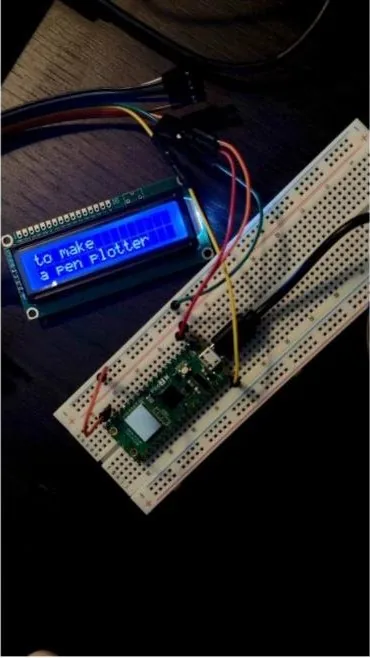
A Raspberry Pi Pico on a breadboard wired to an LCD reading to make a Pen Plotter
Where it starts A bare microcontroller does not know how to be anything yet. This is it saying its first sentence.
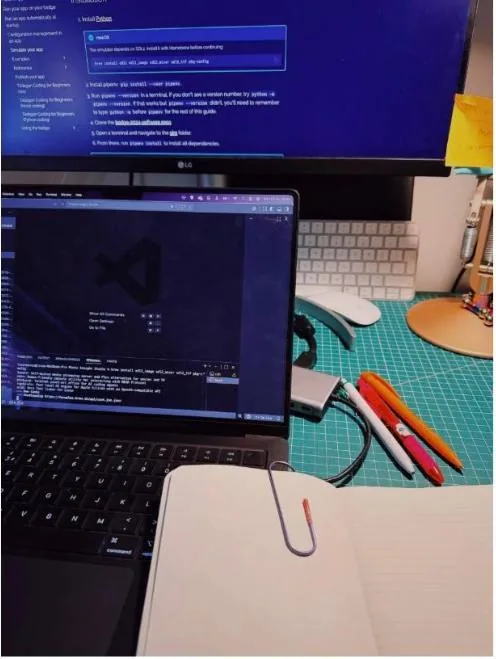
A laptop running VS Code beside a cutting mat, notebook and plotter pens
The bench The useful part isn’t the plotter. It’s remembering what it feels like not to know yet. Every designer I’ve hired felt that in their first week, and every leader forgets it too quickly.
A written project plan for building the pen plotter, broken into stages
The plan Written down before starting, which is the only reason the wrong turns are visible. There is something to be wrong against.

Mixed media

The same instruction, pushed through whatever material is to hand. A laser cutter is a plotter that goes all the way through: same vector path, and the line becomes an edge. Before any of it was code it was a needle and paper. Pierce the points, run the thread between them, and the curve appears without anyone drawing it, at about a line a minute.
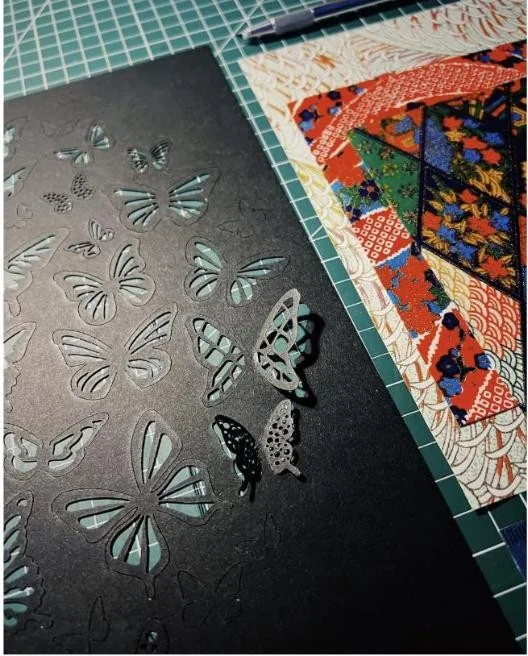
Laser-cut butterflies lifting out of black card beside patterned washi paper
Butterflies, in progress Cutting through black card onto washi. The offcut sheet is usually better looking than the piece that came out of it.
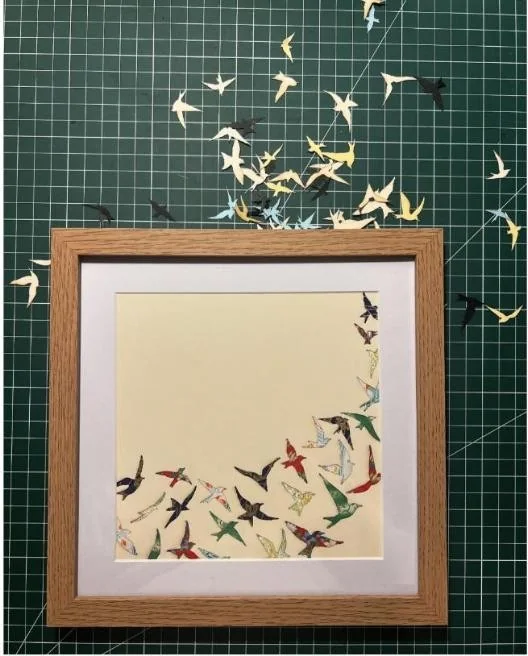
A framed piece of laser-cut paper birds in flight on a green cutting mat
Framed and finished Hundreds of individually cut birds, each one placed by hand. The machine does the cutting, which is the easy half.
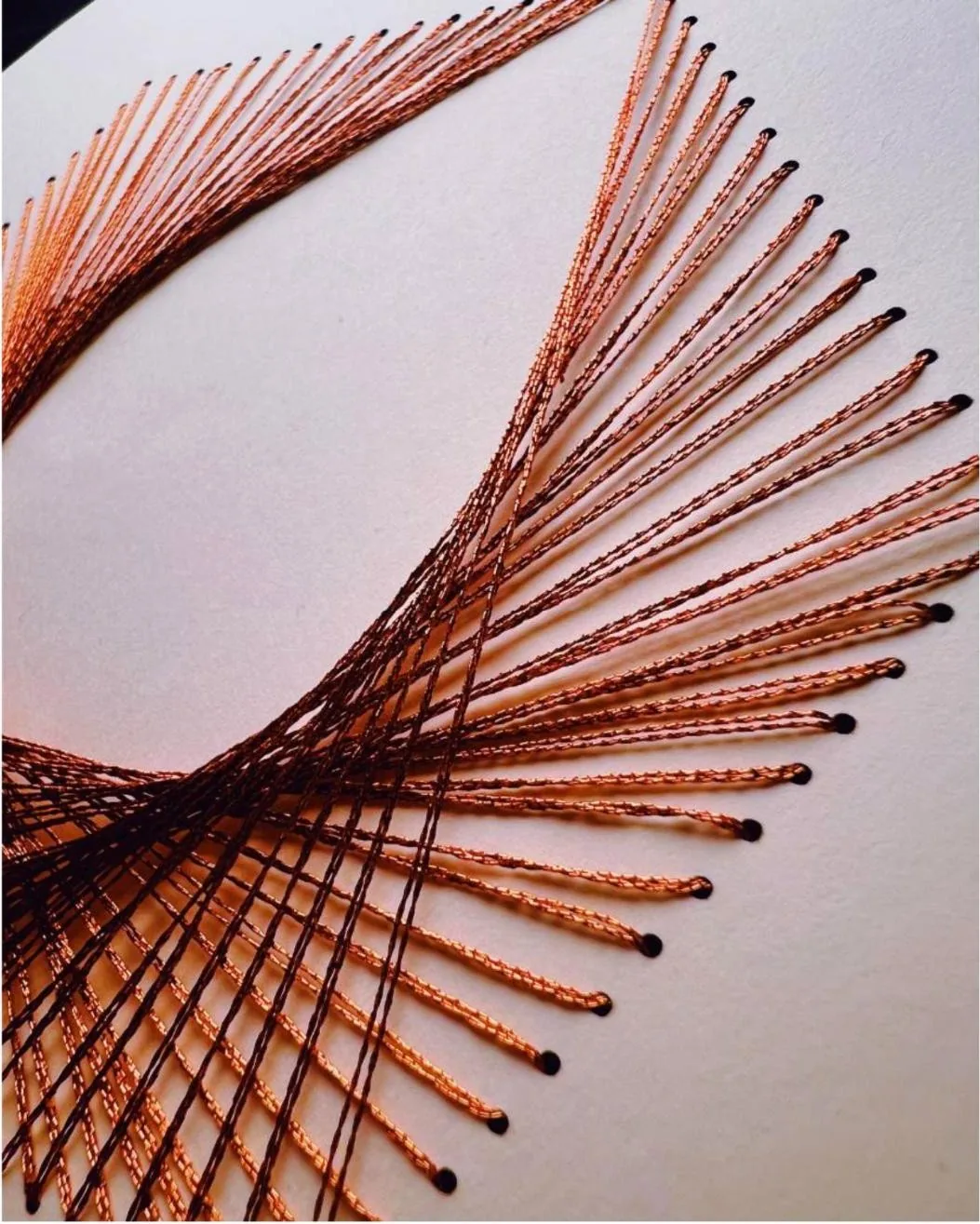
Close-up of copper thread stitched between pierced points forming a curved envelope
Every thread is straight The curve is an artefact of where they all stop. That is the thing the screen version can never quite show you.

Generative art

Every piece is a single instruction, repeated until it becomes a picture. No brush, no undo, no taste applied afterwards. You write the rule and the maths decides what it looks like.
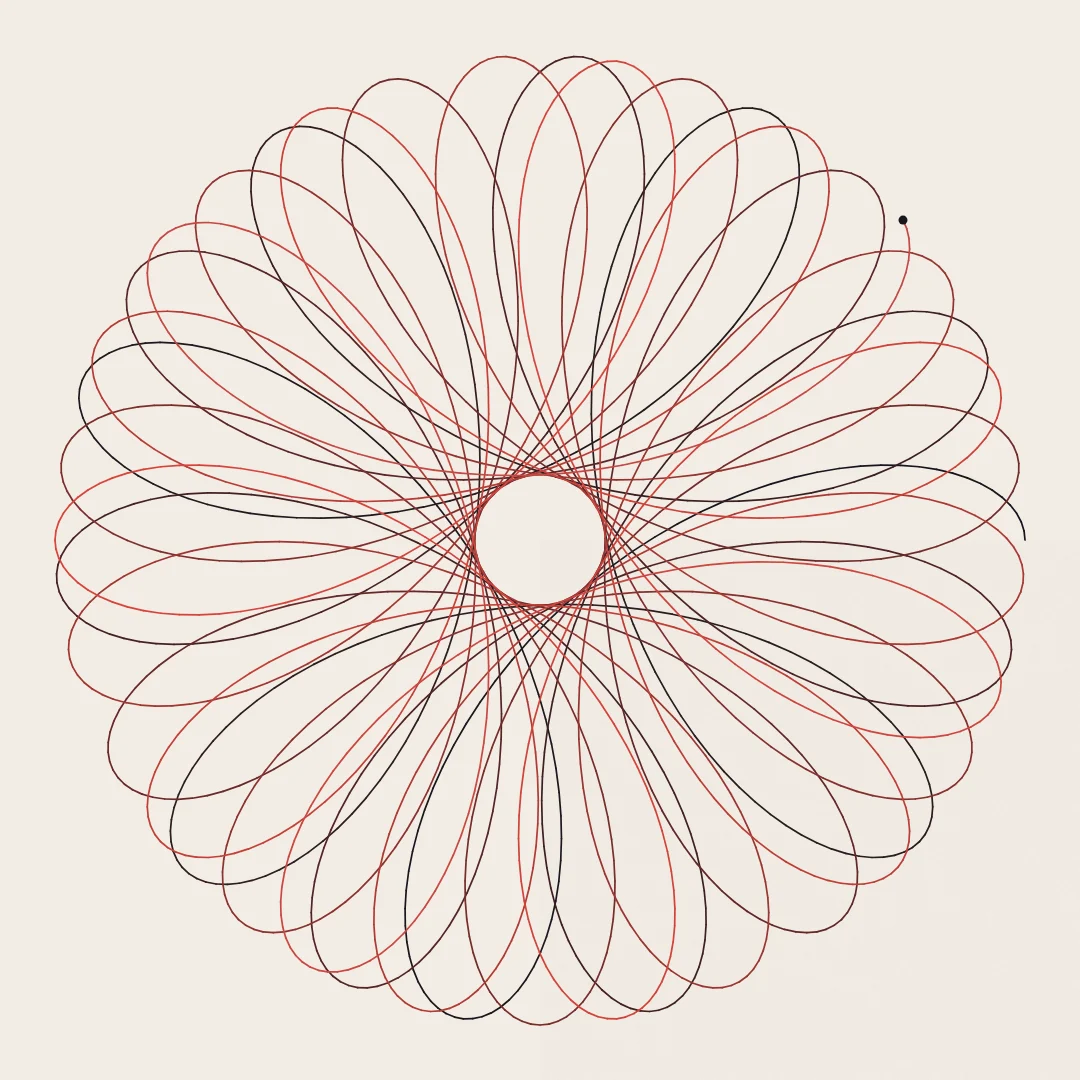
A dense red and black flower drawn as one continuous line on warm paper
Spirograph pen A hypotrochoid: the curve traced by a point inside a small circle rolling around the inside of a big one, which is exactly what the plastic Spirograph on the kitchen table was doing. Change three numbers and you get a different flower. Hypotrochoid
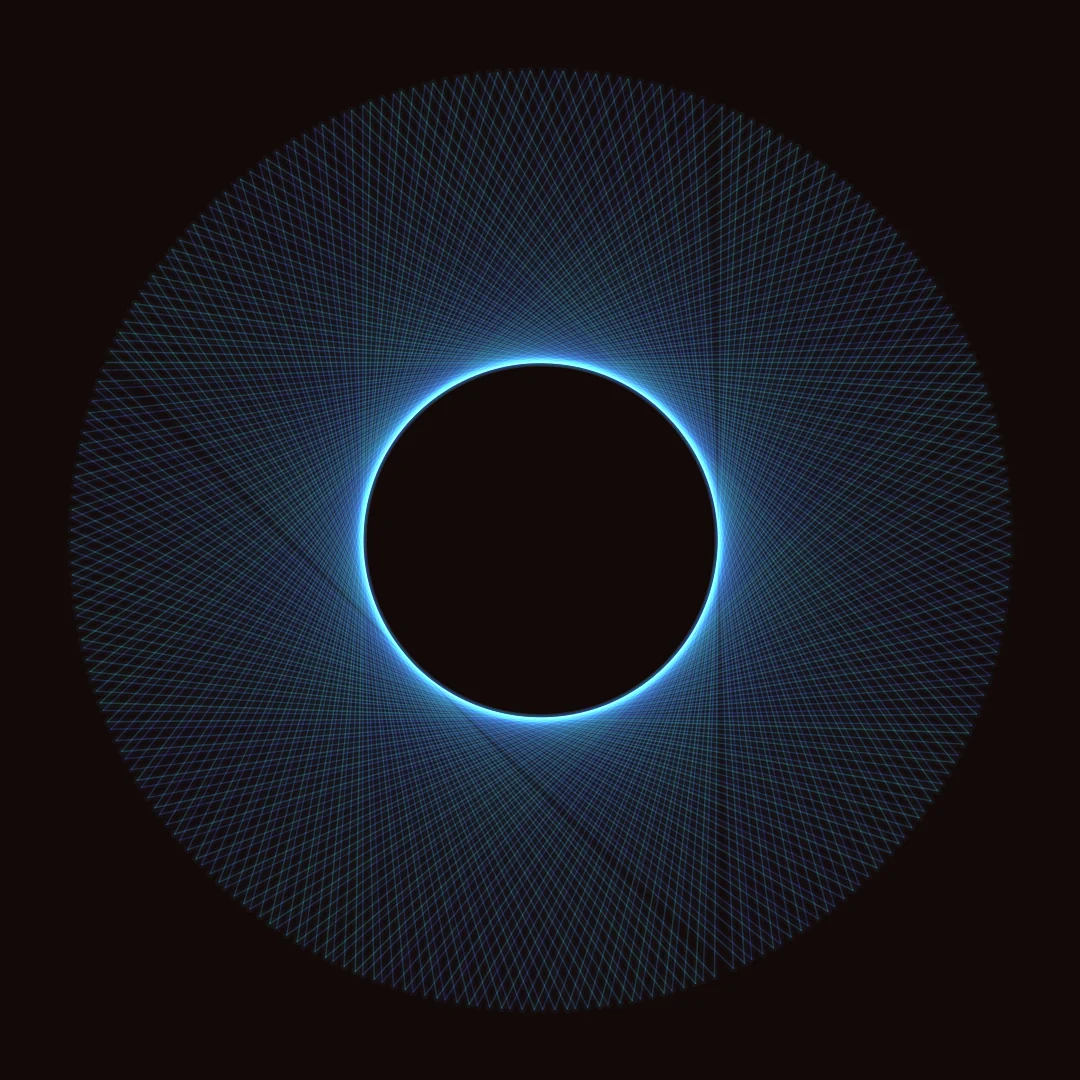
A glowing blue ring of straight lines around a black centre
Logo adventure A turtle that knows two things: how far to walk and how far to turn. It never works out where it is on the canvas. Every step starts wherever the last one ended, which is a different way to think about drawing. Turtle graphics
p5.js code alongside the sketch it produces
Learning p5.js The rule and the result on the same screen. You change one number, and the picture tells you immediately whether you understood what it did.

Written in p5.js at 1080×1080, tuned for a plotter palette. Moving versions at @lilypixel.lab.

Photography

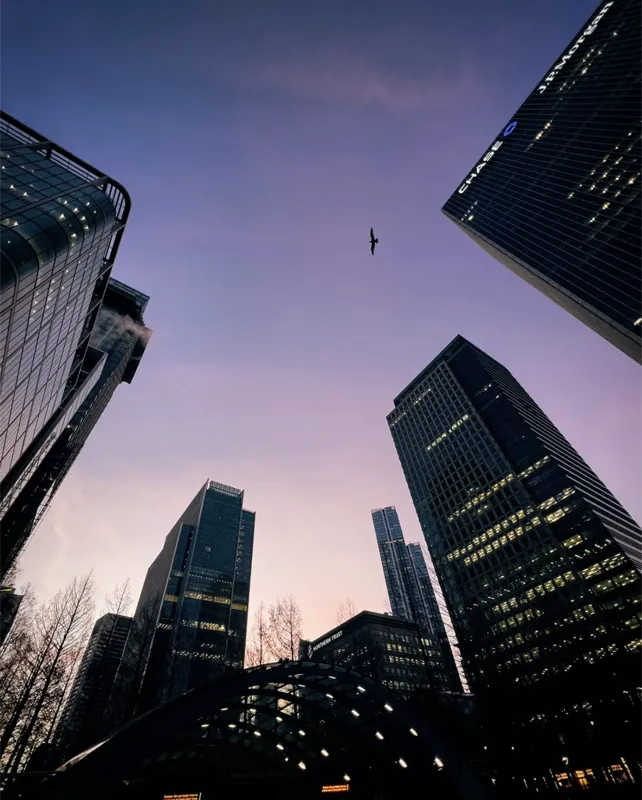
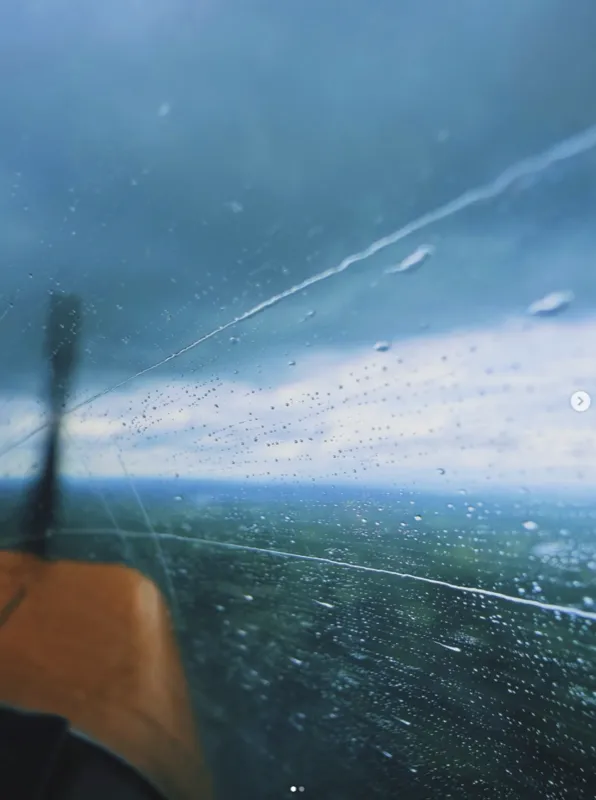
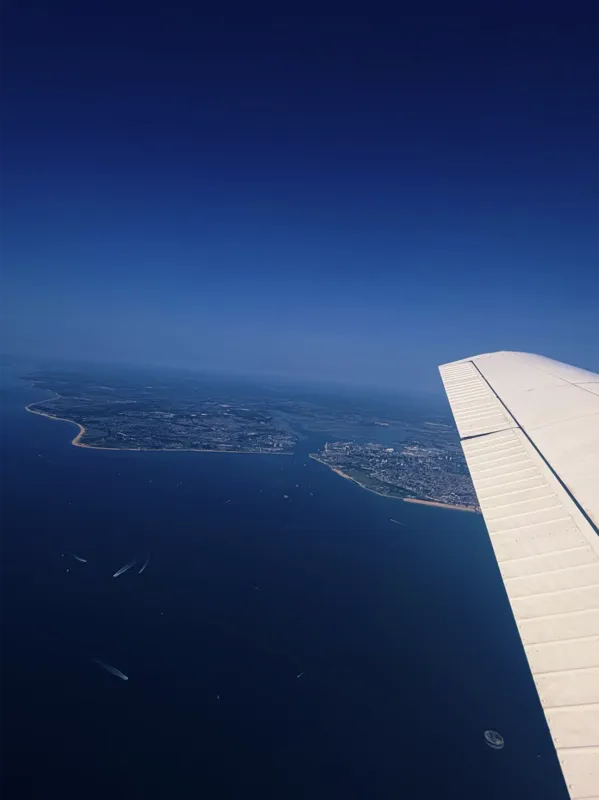
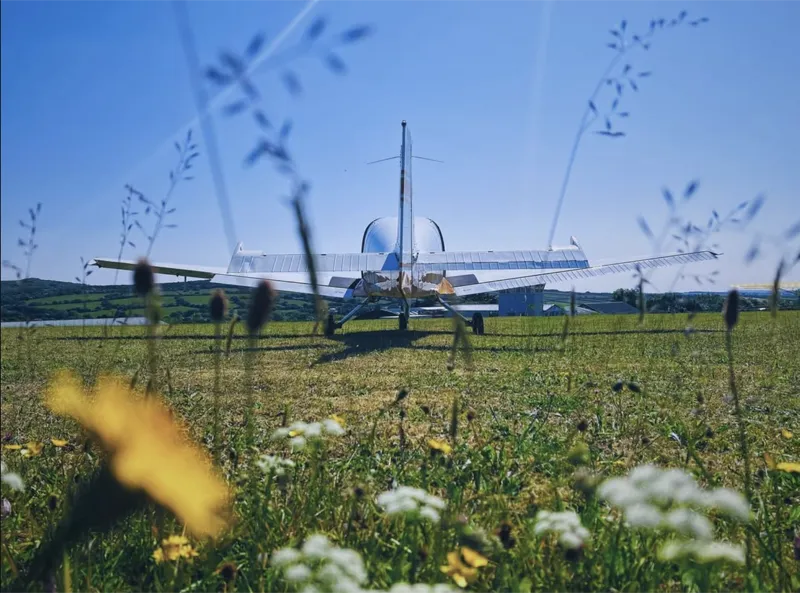
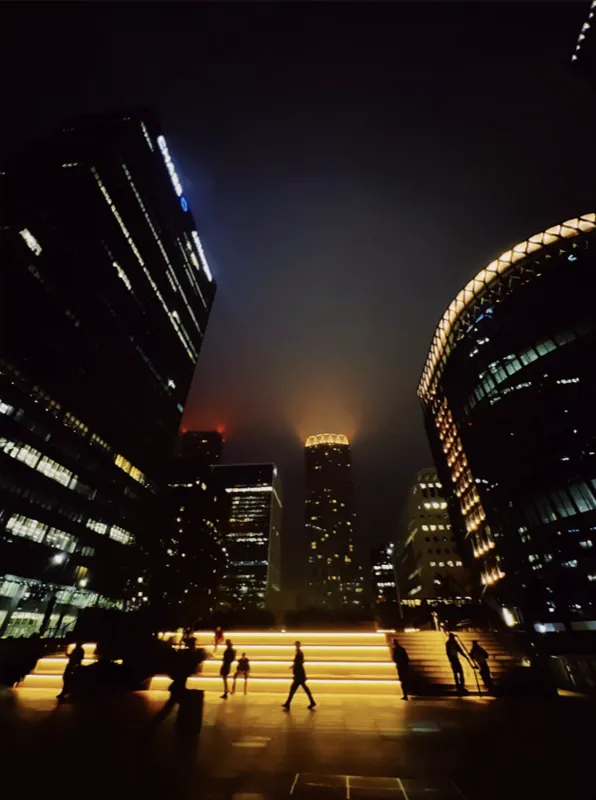
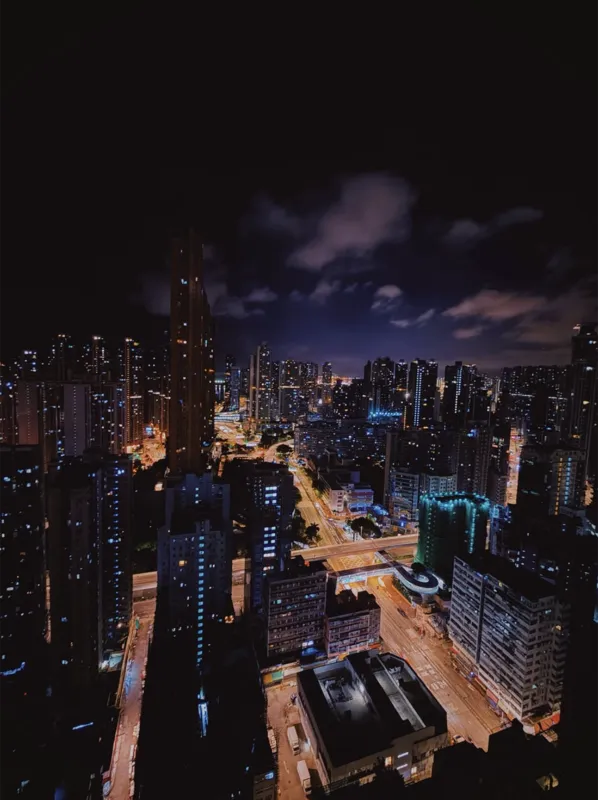
Go somewhere, carry a camera, notice things. The least technical thing I do is probably the one that trains design the most. No kids, but a Nikon DSLR, a Ricoh GR III and a busy passport.
City
City
City
City
From the air
From the air
From the air
From the air
Making
Making
Making
Making
Travel
Travel
Travel
Travel